

The Impact of British Horse Racing Postponements
British horse racing has long been a cornerstone of the country’s sporting landscape, captivating audiences with its rich history, thrilling races, and the camaraderie it fosters among fans. However, there have been periods when the races have been abruptly British horse racing not on GamStop horse racing not on GamStop, leading to a ripple effect that influences not just the industry stakeholders, but also the loyal followers of the sport. In this article, we delve into the reasons behind these interruptions, the consequences for the broader horse racing ecosystem, and how it affects fans, trainers, and bettors alike.
The Historical Context of British Horse Racing
The roots of British horse racing can be traced back to the Ancient Greeks and Romans, but the modern sport as we know it began taking shape in the 16th century. Established meetings such as the Derby and the Grand National have come to symbolize the essence of British horse racing culture. However, racing has faced numerous challenges throughout its history, including instances of cancellation and postponement due to various factors.
Reasons for Cancellations
Cancellations in British horse racing can be attributed to several factors, including:
- Weather Conditions: One of the most common reasons for race cancellations is adverse weather. Heavy rain, snow, or icy conditions can render tracks unsafe for both horses and jockeys. The British climate can be unpredictable, leading to sudden changes in race scheduling.
- Health and Safety Regulations: In recent years, the well-being of horses has become a top priority. Instances of equine flu outbreaks or other health scares can lead to a halt in racing activities to ensure the safety of the horse population.
- Regulatory Issues: Occasionally, issues related to track conditions or compliance with racing regulations can lead to last-minute cancellations. Regulatory bodies are committed to ensuring the integrity of the sport, which sometimes necessitates the postponement of races.
- Financial Factors: Economic downturns can also lead to cancellations, particularly at smaller tracks that struggle to attract sufficient funding. If projected revenues fall short, organizing bodies may choose to cancel events rather than risk financial loss.
Consequences for Stakeholders
The ramifications of racing cancellations extend beyond the immediate impact on race day, affecting various stakeholders as follows:
1. Trainers and Owners
For trainers and owners, each cancellation can represent a significant financial loss. Many of them rely on race winnings as a vital income source. Additionally, race day provides an opportunity to showcase horses and attract potential buyers. Cancellations can hinder these aspirations, leading to missed opportunities for sales and sponsorships.
2. Jockeys
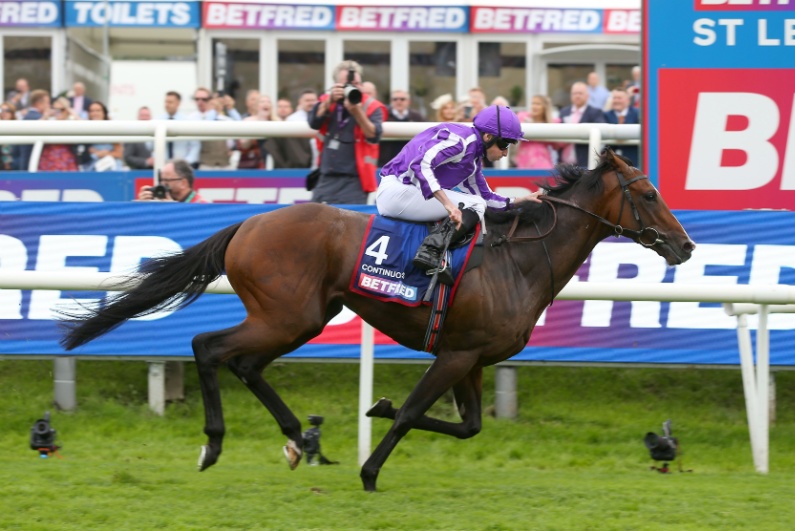
Jockeys depend on races not only for income but also for maintaining their competitive edge. Each missed race compromises their fitness and readiness, potentially impacting their performance in future races. Furthermore, the cancellation of a race could interfere with their long-term career aspirations.
3. Betting Industry
The betting industry is intricately linked to horse racing in the UK. Cancellations can disrupt betting patterns, with potentially significant financial implications for bookmakers. When races are not held, bettors unable to place their wagers can lead to decreased revenues and profitability for betting shops and online platforms.
4. Fans and Enthusiasts
One of the most affected groups is the fanbase. Enthusiasts who look forward to events may feel frustrated and disappointed when races are postponed or canceled. For true fans, racing is not merely a betting opportunity; it’s a community event that fosters connections and a shared passion for equestrian sports.
Adaptations and Innovations
In response to these challenges, the British horse racing industry has made adaptations and embraced innovations to mitigate the impact of cancellations. For example:
1. Improved Weather Monitoring
Advancements in technology have led to more accurate weather forecasting and track condition monitoring, allowing organizers to make informed decisions about race viability. This proactive approach helps minimize last-minute cancellations.
2. Enhanced Communication
Organizing bodies have improved their communication strategies to keep fans, trainers, and jockeys informed about potential cancellations or rescheduling events. Live updates on social media and dedicated websites ensure that stakeholders are kept in the loop.
3. Diversified Revenue Streams
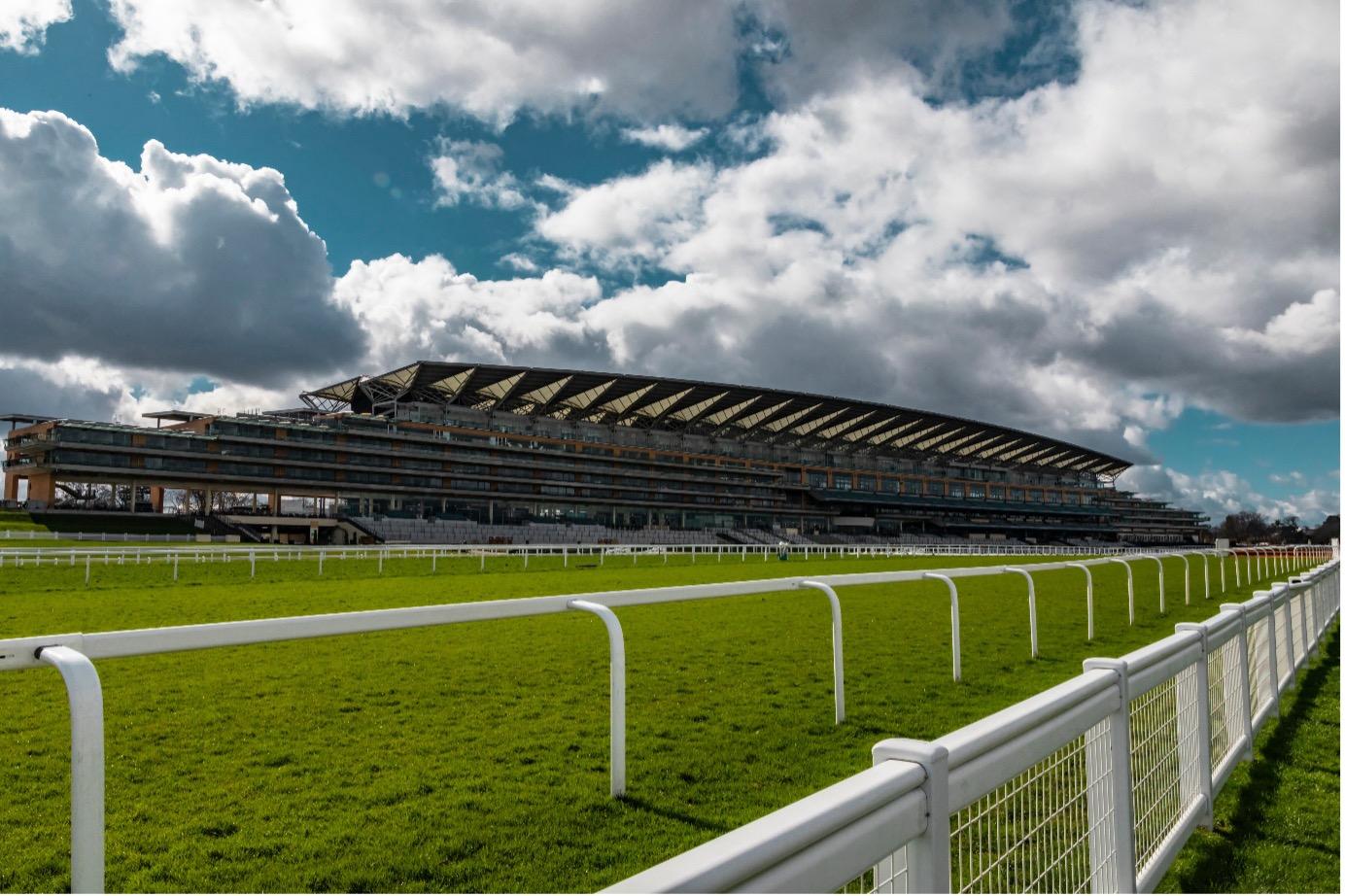
Many racing tracks are diversifying their operations, hosting events that go beyond racing, such as festivals and equestrian shows. This diversification helps cushion the financial impact of cancellations, providing alternative revenue sources.
The Future of British Horse Racing
While cancellations in British horse racing will likely continue to be a part of the landscape, the industry remains resilient. The British Horse Racing Authority (BHA) is focused on developing strategies to enhance the sport’s sustainability and appeal to newer audiences. Additionally, with the rise of online platforms and streaming services, racing finds new avenues for engagement, keeping the passion for horse racing alive even in challenging times.
Conclusion
In conclusion, the phenomenon of British horse racing not being held, whether due to weather, health concerns, or financial constraints, resonates deeply across the racing community. While it presents challenges for trainers, jockeys, owners, and fans, the industry’s capacity for adaptation and innovation is vital to its resilience. Moving forward, understanding the causes and implications of racing cancellations will be crucial for all stakeholders involved, ensuring that the storied tradition of British horse racing continues to thrive in all its glory.
